
How to Create the Dream Life You Always Wanted But Never Thought You Could
Join My Next Dream Quest Workshop
25 Sept 2025 5:00 P.M. (IST)
Do you feel there's more to your life...
Do you have a nagging sense that you're not living up to your full potential? Do you feel like you're stuck in a rut, unsure of how to break free and achieve your life dreams?
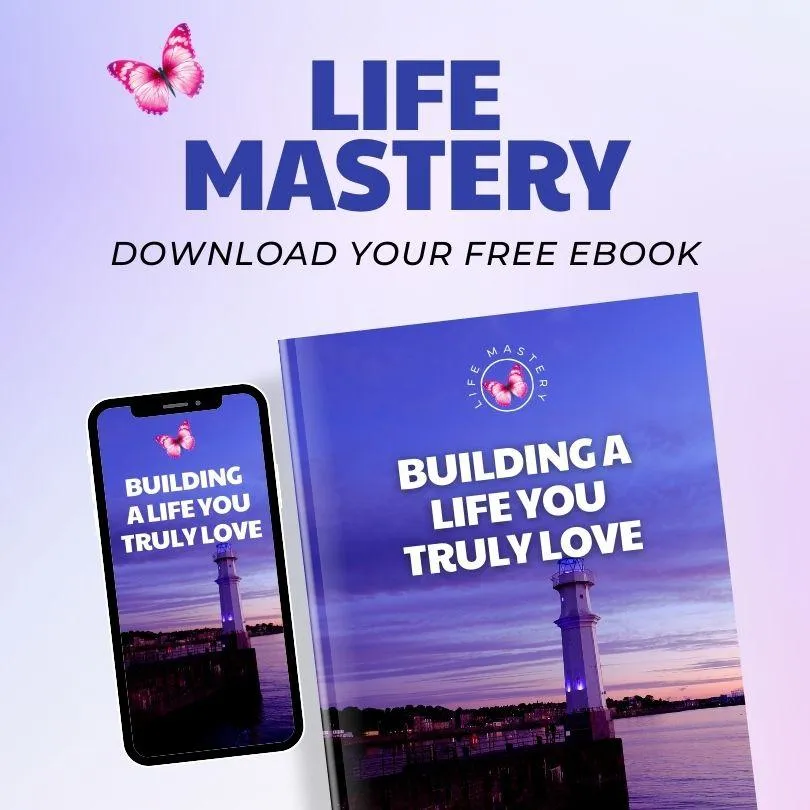
If so, I have just the book for you. This free download is packed with practical tips, advice, and inspiration to help you identify your goals, overcome obstacles, and start living your best life. With actionable strategies for everything from time management to mindset shifts, this book is a must-read for anyone who's ready to take charge of their destiny and make their dreams a reality.
Whether you're facing career challenges, personal setbacks, or just feeling stuck, this book is the tool you need to start living the life you've always wanted.
So what are you waiting for? Download it now and start turning your dreams into reality!
My Mission is To Help You Discover & Bring Back To Life
The Dreams You Once Had, Left Behind & Forgot
A Little About Me
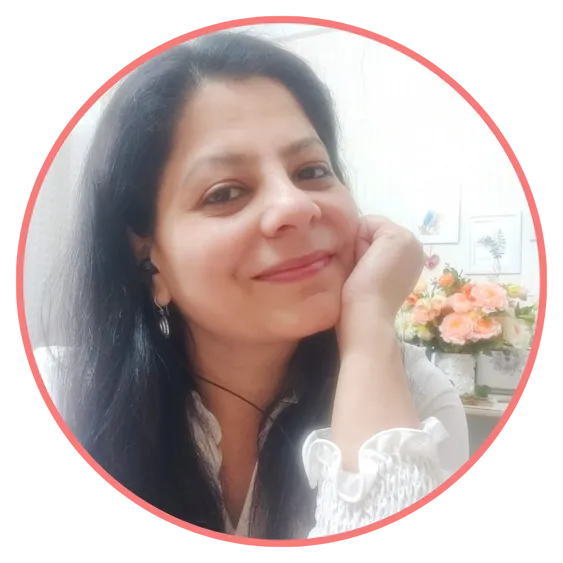
As a master certified life coach my expertise and passion is helping individuals achieve their goals and unlock their full potential. My empathetic and authentic approach is tailored to suit the unique needs of each client, resulting in increased confidence, improved relationships, vibrant health and more fulfilling work and interests. If you are ready to make a positive change in your life, let me walk with you on your journey towards a better you.
Whether you're struggling with finances, relationships, or simply feeling lost in life, I have the tools and methods that will give the inspiration you need to take control and turn your dreams into reality. So why wait? Book a complimentary coaching session with me today and start living the life you've always dreamed of.
Rituu Sharrma
Programs & Free Gifts To Ignite Your Dream Life

Vision Board Creation Kit
Quickly bring your dreams into reality
150 downloadable elements
Discover why 95% of vision-boards will never work

One To One Coaching
Do you feel called to do more with your life? Yet, no matter what you do or try, you can’t figure out how to do more than create results that are more than average or good – and certainly aren’t as extraordinary as what you’d like to experience? Book a call and we'll help you get unstuck.
Dream Quest Workshop
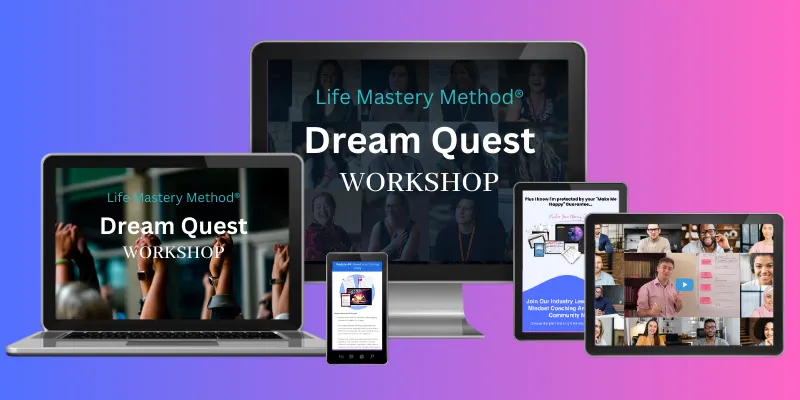
Discover a proven, system of transformation no matter where you are now whether you're facing career challenges, personal setbacks, or just feeling stuck, this workshop is exactly what you need to start living the life you've always wanted.
Sacred Money Code Guide
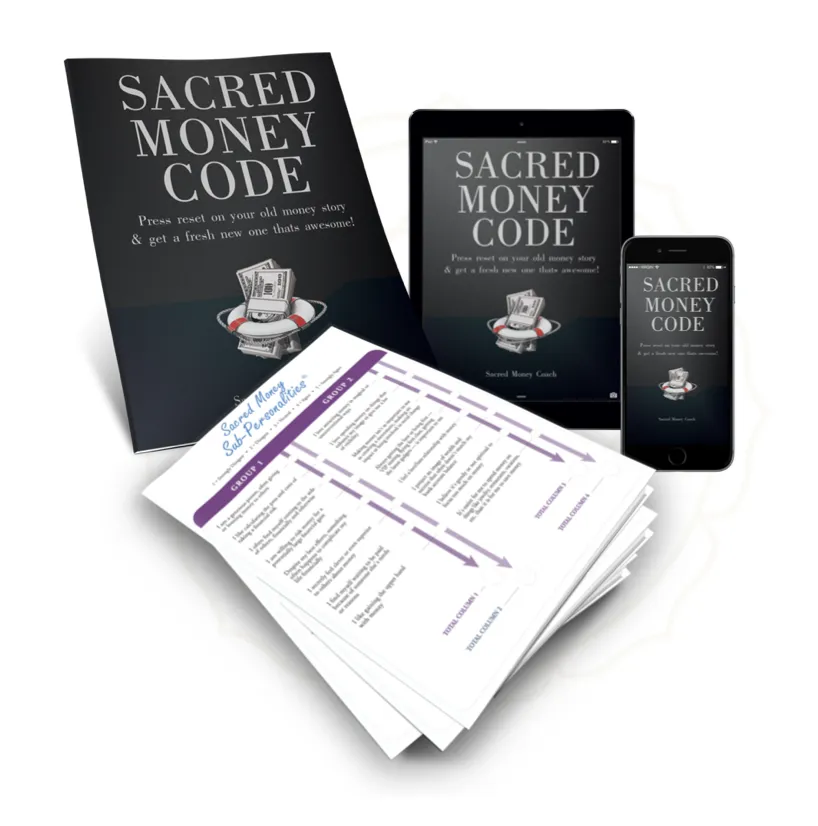
Break free from self-sabotaging behaviours that hinder your financial success.
Overcome limiting beliefs and transform your mindset to attract abundance.
Gain insights into how a bad money mindset can hinder your career growth and opportunities.
Exciting, step by step exercises that create new, empowered money actions in your business or career, life and even in your relationships.
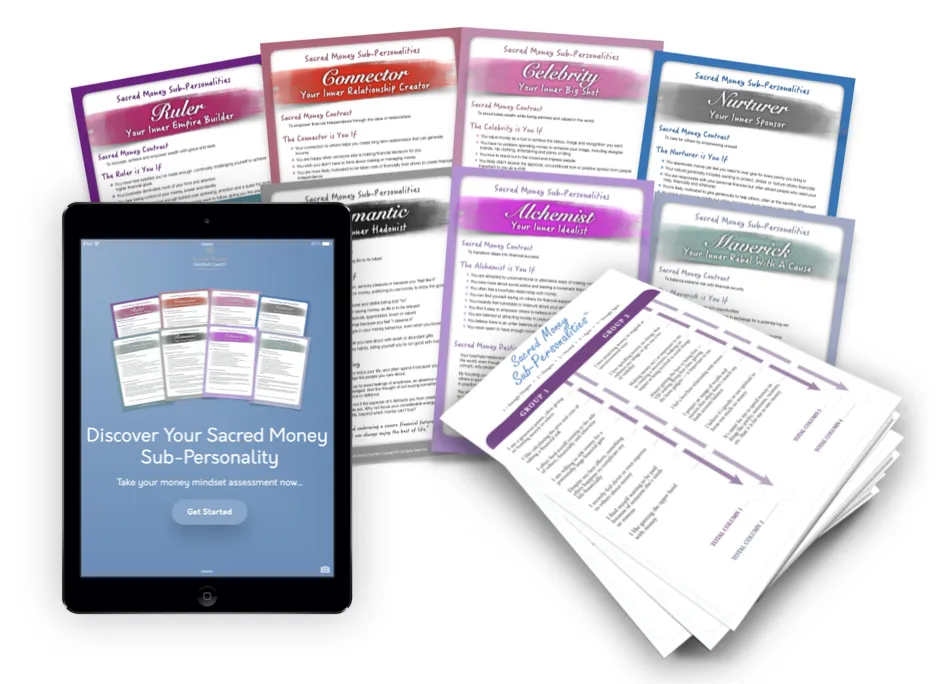
1-2-1 Money Reading (Free)
Complimentary 1-2-1 Money Reading Session to earn what money blocks are taking control of your life and stopping you from realising your financial freedom.
Understand your unique relationship with money and how to create financial abundance based on your specific money personality; including your strengths, gifts and challenges
Ready to eliminate any resistance to money so you are free to make more without apology?
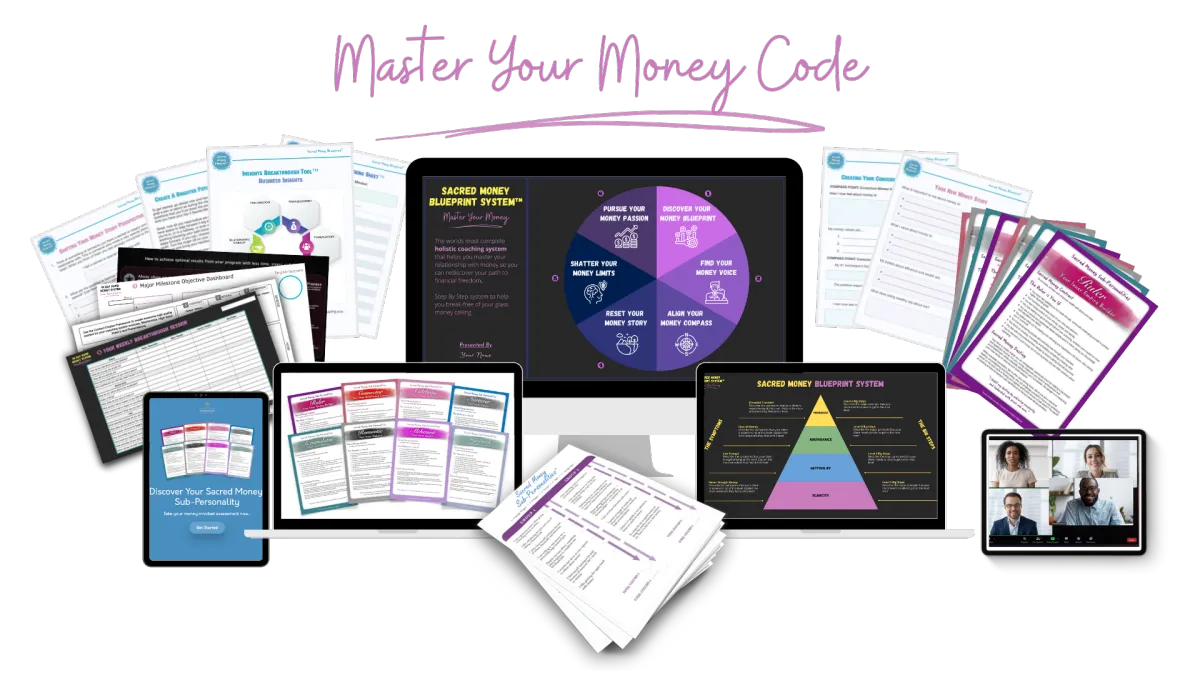
Master Your Money Code
Do any of these sound like you?
You feel as if there is an invisible glass money ceiling keeping you from achieving success
You fear you’ll have to work harder to make more, which keeps you stuck where you are
You're ready to get rid of unconscious money blocks and start fresh on a path of creating freedom, independence and a healthy relationship with money?
My Services Help People With...
Career Growth or Change
Purpose & Fulfilment
Weight-Loss & Well-Being
Breaking Limiting Beliefs
Relationships & Love
Time & Money Freedom
Stress, Burnout & Overwhelm
Creating Financial Abundance
Work With Me
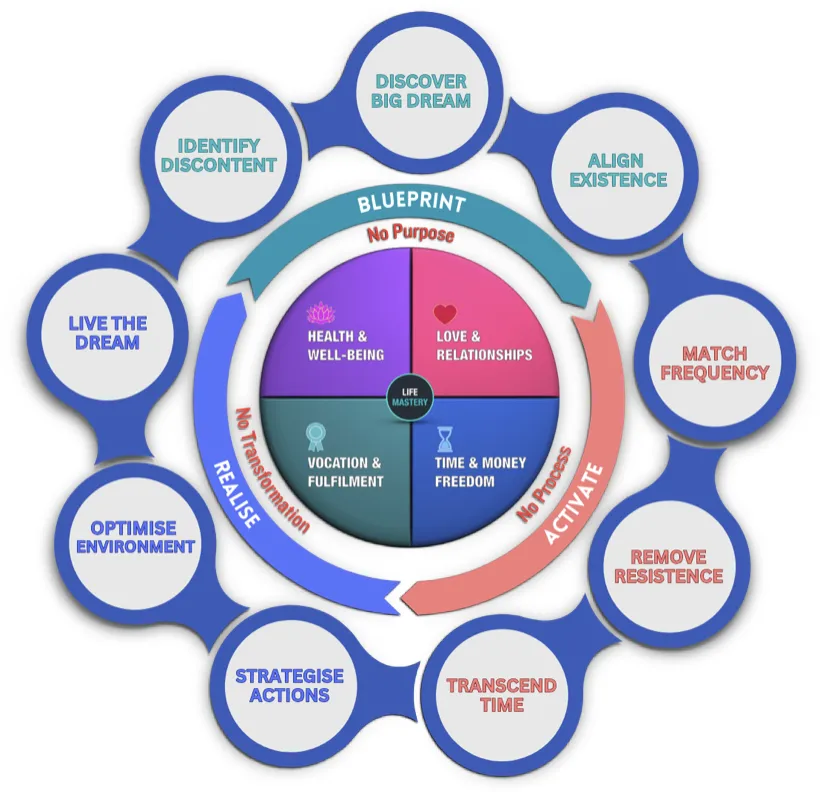
Life Mastery Method System®
Why Settle for “Good” When You Can Be “Exceptional”?
You might not realise it now, but you have the power within you, at this very moment in time, to create a life that you absolutely love.
Regardless of any circumstances or situations you might be facing, you have the ability to achieve the results you desire in EVERY area of your life, including time and money freedom, love and relationships, vocation, and health and well-being.
And although your life might seem good right now, wouldn’t you love for it to be exceptional? Imagine what that might look like for you…
What if Moving to the Next Level of Success Could Actually Be a FUN and Joyous Experience?
Would you be open to the idea that anything is possible? Because it truly is!
You might be surprised to learn that reaching the level of fulfilment and abundance you desire can actually be an invigorating and life-giving experience... instead of feeling like a lot of struggle, sacrifice and hard work.
People from all over the world have applied the Life Mastery Method® Program to transform their lives in ways they never imagined possible.
Book a complimentary coaching session with me today and experience what it would mean to create the life you love...
Rituu Sharrma Coaching
© 2026 Life Mastery Method® All rights reserved